

Manage Gallstones with Precision
Rx Available by prescription only
150 mg Strength
Precision Bile Acid Therapy for Gallstone Relief
Trusted bile acid therapy for the management of noncalcified gallbladder stones. With a flexible 150 mg dosing strength, Ursolign™ enables more precise, weight-based titration without the need for tablet splitting — offering clinicians greater control and patients a simpler, more consistent treatment experience. Ursolign™ is bioequivalent to the RLD Actigall®, the same proven ursodiol molecule used in established therapies which have been reported to improve bile flow, reduce hepatic toxicity, and support long-term liver health1.

Easier to Swallow
Capsules are smoother to swallow than dry, hard tablets and keep ingredients stable and effective. They have a gentler breakdown which is kinder to the stomach.
Precision Dosing
Our 150 mg strength enables precise dosing across patient weights, reducing the need for tablet splitting and dosing compromise.

Established Efficacy
Bioequivalent to the RLD Actigall®, Ursolign delivers the same proven ursodiol molecule that HCPs have relied on in established treatment regimens.

Long Term Use
Demonstrated tolerability over extended duration (24mo). Lower dosage form ideal for individualized titration, gradual initiation, and maintenance.
Patient-Centered Care
Specifically designed for patient populations requiring careful dose adjustments

Post-Bariatric Patients
The flexible capsule strength helps support individualized dosing for patients whose medication needs may change following bariatric surgery.
Geriatric Patients
Dose flexibility allows healthcare providers to tailor therapy to the individual needs of older adults while maintaining a simple treatment regimen.
Hepatic-Impaired Patients2
Ursolign's dosing flexibility may aid clinicians in individualizing treatment when careful dose selection and ongoing patient assessment are appropriate.
Dose Sensitive Individuals
Designed to support precise dose adjustments, Ursolign™ offers greater flexibility for patients who require individualized ursodiol therapy.

Bile Acid Therapy
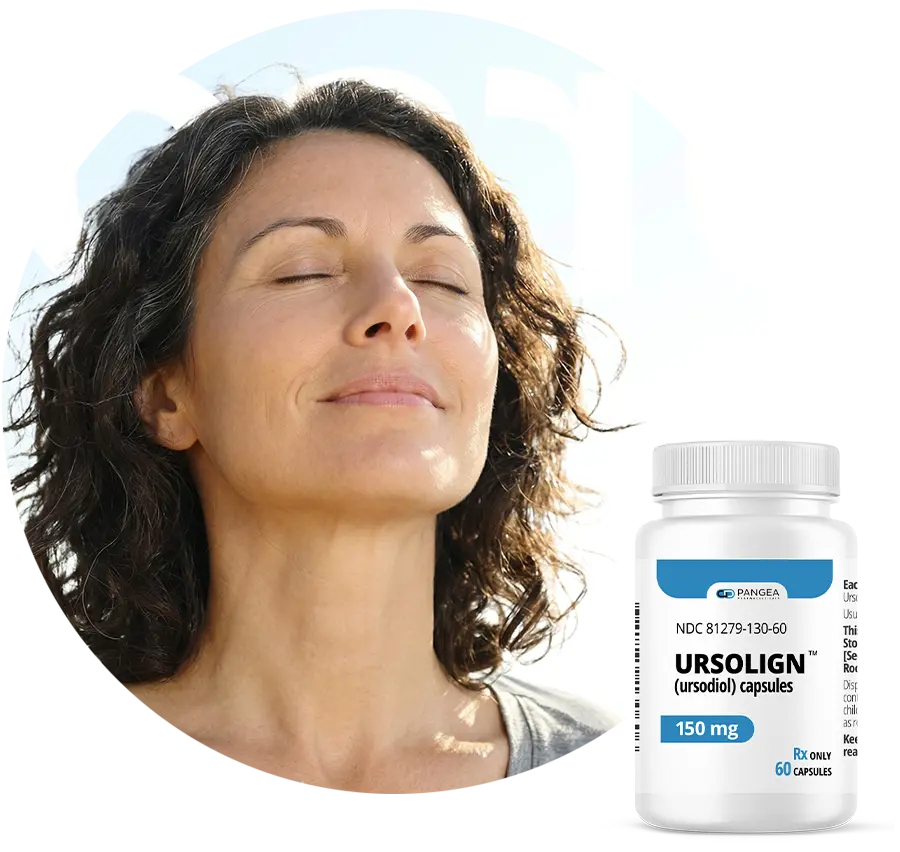
Ursolign™ is bioequivalent to the RLD Actigall®, the same proven ursodiol molecule used in established therapies which have been reported to improve bile flow, reduce hepatic toxicity, and support long-term liver health1.
Capsules: The Clear Advantage
Designed with patient convenience in mind, Ursolign's capsule formulation is easier to swallow than dry, hard tablets and offers a simple, familiar dosing experience. The capsule also helps protect the stability of the active ingredients, ensuring patients receive the reliable ursodiol therapy they expect.
Our 150 mg capsule provides a ready-to-dispense low-dose option, eliminating the need for tablet manipulation. Using a tablet designed for the prescribed dose can help reduce variability associated with split tablets.
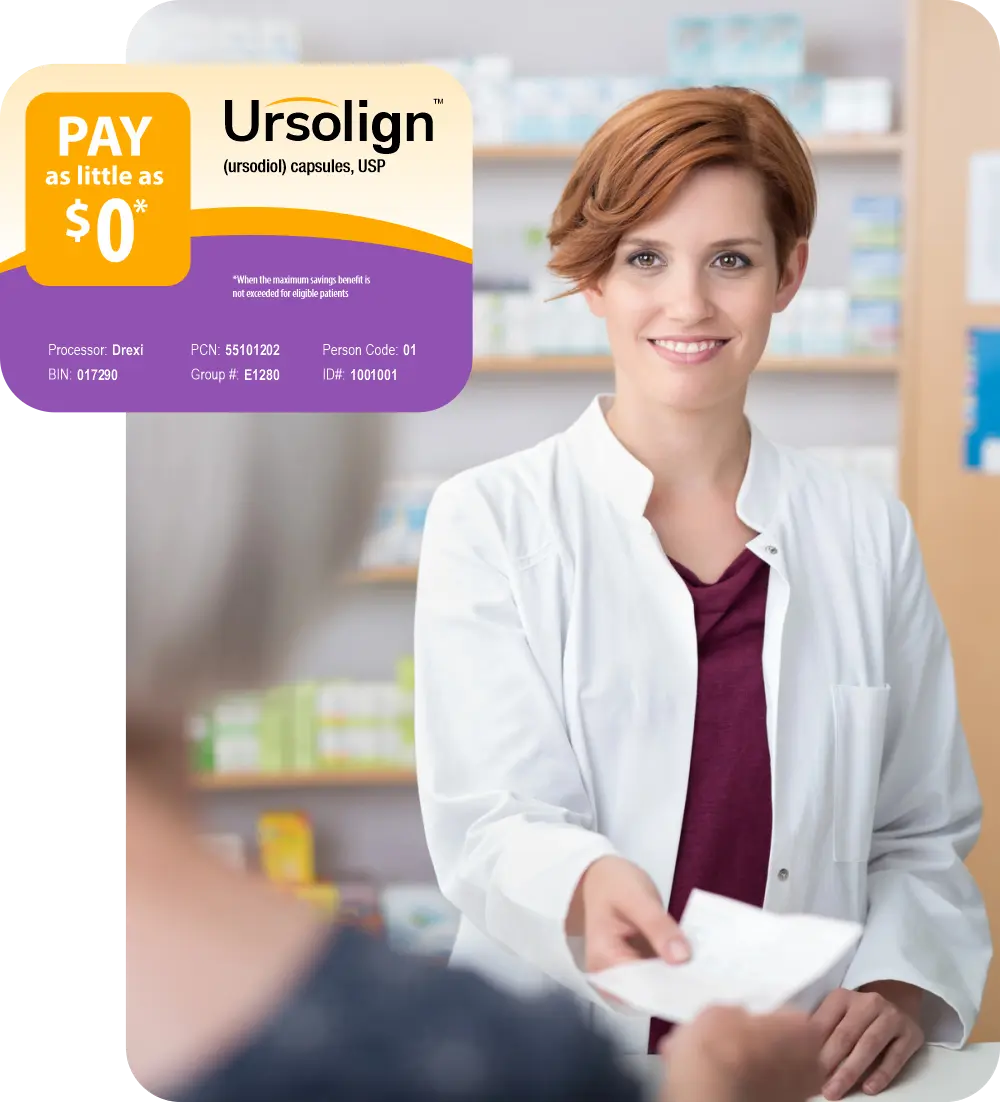
Pay as little as $0* for your medication
No patient registration is required to use our copay voucher and the savings can be applied to initial prescriptions, refills, and 30 or 90-day prescription supply. Savings available only to eligible commercially insured patients.
Simply present to your pharmacist
* When the maximum savings benefit is not exceeded for eligible patients
See Full Prescribing Information
Please see Full Prescribing Information and Important Safety Information on the product itself or by clicking here.
Individual patient results may vary. To report suspected adverse reactions, contact the FDA at 1-800-FDA-1088 or www.fda.gov/medwatch. You may also contact Pangea Pharmaceuticals at 855-892-8224 or drugsafety@pangeapharm.com.
Indications & Usage
- Ursolign™ is indicated for patients with radiolucent, noncalcified gallbladder stones < 20 mm in greatest diameter in whom elective cholecystectomy would be undertaken except for the presence of increased surgical risk due to systemic disease, advanced age, idiosyncratic reaction to general anesthesia, or for those patients who refuse surgery. Safety of use of Ursolign™ beyond 24 months is not established.
- Ursolign™ is indicated for the prevention of gallstone formation in obese patients experiencing rapid weight loss.
Contraindications
- Ursolign™ will not dissolve calcified cholesterol stones, radiopaque stones, or radiolucent bile pigment stones. Hence, patients with such stones are not candidates for Ursolign™ therapy.
- Patients with compelling reasons for cholecystectomy including unremitting acute cholecystitis, cholangitis, biliary obstruction, gallstone pancreatitis, or biliary-gastrointestinal fistula are not candidates for Ursolign™ therapy.
- Allergy to bile acids.
How Supplied
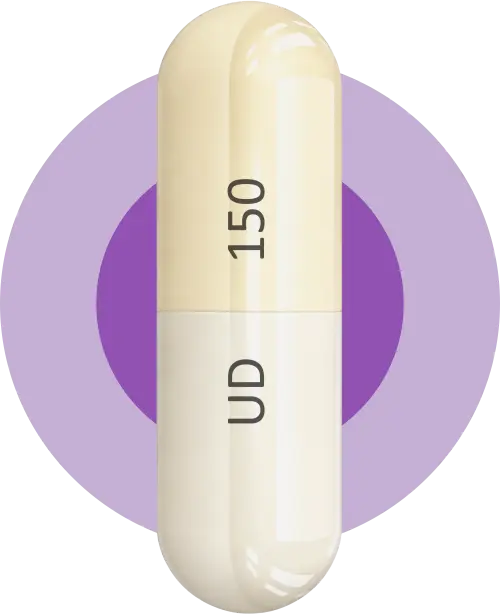
Ursolign™ 150 mg is white to off-white granular powder filled in size '3' hard gelatin capsule with white cap imprinted with "UD" and white body imprinted with "150". Bottle of 60 Capsules with child-resistant closure: NDC 81279-130-60.
Warnings
Enteroliths in Patients with Risk for Intestinal Stenosis or Stasis
There have been rare postmarketing reports of ursodiol-treated patients who developed enteroliths (bezoars) resulting in obstructive symptoms that required surgical intervention. These patients had medical conditions that predisposed them to intestinal stenosis or stasis (e.g., surgical enteroanastomoses, Crohn’s disease). If a patient presents with obstructive gastrointestinal symptoms, hold Ursolign™ until a clinical evaluation has been conducted.
Precautions
Liver Tests
Ursodiol therapy has not been associated with liver damage. Lithocholic acid, a naturally occurring bile acid, is known to be a liver-toxic metabolite. This bile acid is formed in the gut from ursodiol less efficiently and in smaller amounts than that seen from chenodiol. Lithocholic acid is detoxified in the liver by sulfation and, although man appears to be an efficient sulfater, it is possible that some patients may have a congenital or acquired deficiency in sulfation, thereby predisposing them to lithocholate-induced liver damage.
Abnormalities in liver enzymes have not been associated with Ursolign™ therapy and, in fact, Ursolign™ has been shown to decrease liver enzyme levels in liver disease. However, patients given Ursolign™ should have SGOT (AST) and SGPT (ALT) measured at the initiation of therapy and thereafter as indicated by the particular clinical circumstances.
Warnings (con't)
Drug Interactions
Bile acid sequestering agents such as cholestyramine and colestipol may interfere with the action of Ursolign™ by reducing its absorption. Aluminum-based antacids have been shown to adsorb bile acids in vitro and may be expected to interfere with Ursolign™ in the same manner as the bile acid sequestering agents. Estrogens, oral contraceptives, and clofibrate (and perhaps other lipid-lowering drugs) increase hepatic cholesterol secretion, and encourage cholesterol gallstone formation and hence may counteract the effectiveness of Ursolign™.
Carcinogenesis, Mutagenesis, Impairment of Fertility
Ursodeoxycholic acid was tested in 2-year oral carcinogenicity studies in CD-1 mice and Sprague-Dawley rats at daily doses of 50, 250, and 1000 mg/kg/day. It was not tumorigenic in mice. In the rat study, it produced statistically significant dose-related increased incidences of pheochromocytomas of adrenal medulla in males (p = 0.014, Peto trend test) and females (p = 0.004, Peto trend test). A 78-week rat study employing intrarectal instillation of lithocholic acid and tauro-deoxycholic acid, metabolites of ursodiol and chenodiol, has been conducted. These bile acids alone did not produce any tumors. A tumor-promoting effect of both metabolites was observed when they were co-administered with a carcinogenic agent. Results of epidemiologic studies suggest that bile acids might be involved in the pathogenesis of human colon cancer in patients who had undergone a cholecystectomy, but direct evidence is lacking. Ursodiol is not mutagenic in the Ames test. Dietary administration of lithocholic acid to chickens is reported to cause hepatic adenomatous hyperplasia.
Pregnancy
Reproduction studies have been performed in rats and rabbits with ursodiol doses up to 200-fold the therapeutic dose and have revealed no evidence of impaired fertility or harm to the fetus at doses of 20- to 100-fold the human dose in rats and at 5-fold the human dose (highest dose tested) in rabbits. Studies employing 100- to 200-fold the human dose in rats have shown some reduction in fertility rate and litter size. There have been no adequate and well-controlled studies of the use of ursodiol in pregnant women, but inadvertent exposure of 4 women to therapeutic doses of the drug in the first trimester of pregnancy during the Ursolign™ trials led to no evidence of effects on the fetus or newborn baby. Although it seems unlikely, the possibility that ursodiol can cause fetal harm cannot be ruled out; hence, the drug is not recommended for use during pregnancy.
Nursing Mothers
It is not known whether ursodiol is excreted in human milk. Because many drugs are excreted in human milk, caution should be exercised when Ursolign™ is administered to a nursing mother.
Pediatric Use
The safety and effectiveness of Ursolign™ in pediatric patients have not been established.
Geriatric Use
In worldwide clinical studies of Ursolign™, approximately 14% of subjects were over 65 years of age (approximately 3% were over 75 years old). In a subgroup analysis of existing clinical trials, patients greater than 56 years of age did not exhibit statistically significantly different complete dissolution rates from the younger population. No age-related differences in safety and effectiveness were found. Other reported clinical experience has not identified differences in response in elderly and younger patients. However, small differences in efficacy and greater sensitivity of some elderly individuals taking Ursolign™ cannot be ruled out. Therefore, it is recommended that dosing proceed with caution in this population.
Adverse Reactions
The nature and frequency of adverse experiences were similar across all groups.
Please refer to the Prescribing Information for a full table that provides comprehensive listings of the adverse experiences reported that occurred with a 5% incidence level.
For complete prescribing and dosage information click here
Citations
1. (a) Actigall® Prescribing Information, (b) The New England Journal of Medicine - A Multicenter, Controlled Trial of Ursodiol for the Treatment of Primary Biliary Cirrhosis, (c) International Journal of Molecular Sciences - Ursodeoxycholic Acid Freezes Regeneration and Induces Hibernation Mode, and (d) Ursodeoxycholic Acid in Chronic Liver Disease
2. LiverTox Clinical and Research Information on Drug Induced Liver Injury